CemNet Logo
  • Cemtech Europe 2026
  • International Cement Review
  • Plant Data
Subscribe Login
  • Publications
    • International Cement Review (ICR)
    • The Cement Plant Operations Handbook 7th Edition
    • The Global Cement Report 16th Edition
    • Cement Plant Environmental Handbook 3rd Edition
  • Events
    • Cemtech Europe 2026 07 - 09 October 2026, Paris, France
    • Cemtech Live Webinar: Low-Carbon Cement Technologies for Sustainable Construction 01 October 2026, Zoom
    • Cemtech Live Webinar Series 2026
    • Diary Dates
    • Videos
  • News
    • International
    • Trading
    • Freight Markets
    • Corporate
    • Environmental
    • Recent Orders
    • ICR Editor's Blog
    • The Building Bulletin
  • Magazine Articles
    • Event Reports
    • Market Reports
    • Corporate Analysis
    • Tech Forum
    • Manufacturing Technology
    • Case Studies
    • Environment
    • Interviews
    • Partner Content
    • ICR Back Issues
  • Online Training
    • Cement Manufacturing Technology
    • Calcined Clay Cement
    • Grinding and Milling Systems
    • Cement Kiln Process Chemistry
    • Cement Kiln Refractories
    • Cement Factory Maintenance
    • Cement Factory Quality Control
    • White Cement Manufacturing Technology
    • Cement Kiln Pyroprocessing
    • Fly Ash Cements
    • Alternative fuels for firing cement kilns
    • Decarbonising Cement Manufacture
    • Cement CCUS
  • Data & Statistics
    • The Global Cement Report16th Edition
    • Facilities – Cement Plants
    • Regions
    • Countries
    • Data export
  • More
    • Suppliers Directory

Articles / Tech Forum

Coarse feed, crystal sizes and burnability

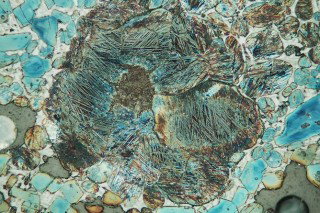
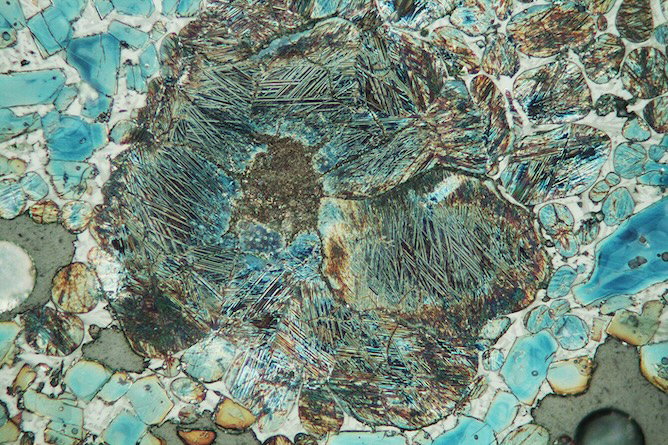
Kiln feed fineness has a major influence on clinker burnability and quality, but overall sieve residue alone does not tell the full story. The size and mineralogy of individual raw material particles — particularly silica, limestone and shale — strongly affect clinker formation and crystal development. Arthur Harrisson explains how coarse particles influence burnability and the resulting clinker microstructure.
Author Name @Arthur Harrisson
13 August 2026
Newsletter

Get daily news, weekly insights and market analysis in your inbox.

Coarse feed, crystal sizes and burnability

Articles are for subscribers only.
Subscribe now or sign-in

◦ 12 Issues of ICR print edition ◦ Digital edition each month ◦ Membership to CemNet.com ◦ Choice of Free Handbook ◦ Discounts on publications
Subscribe now

GBP£220 / USD$315 / EUR€260 annually

Handpicked stories, in your inbox

Our editors pick the top news delivered to your inbox. Sign-up today!

Coarse feed, crystal sizes and burnability

Coarse feed, crystal sizes and burnability

Tech Forum 13 Aug 2026

Kiln feed fineness has a major influence on clinker burnability and quality, but overall sieve re...

Combinations of SO3, limestone and pozzolana

In the ongoing evolution of cement technology, small compositional adjustments continue to unlock...

Tech Forum 21 May 2026

In defence of benchmarking

This month, Technical Forum looks at performance benchmarking, the possible reasons for its rumou...

Tech Forum 24 Jul 2025

Decarbonisation and net-zero roadmaps

This month’s Technical Forum considers the targets of net-zero roadmaps and progress made to date...

Tech Forum 16 Jan 2025

most read
  • 01 Keeping bucket elevators moving at Alpacem
  • 02 Brazil’s cement comeback
  • 03 Rapid raw clay quality control in calcined clay cement production
  • 04 Holcim’s ripples of change
  • 05 Coarse feed, crystal sizes and burnability

Subscribe

  • International Cement Review
  • Newsletter Sign-Up

Useful Links

  • ICR Back Issues
  • News

CemNet.com

  • About
  • Contact
  • Privacy Policy
  • Cookie Policy
  • Advertising & Media Planning
Subscribe
  • International Cement Review
  • Newsletter Sign-Up
Useful Links
  • ICR Back Issues
  • News
CemNet.com
  • About
  • Contact
  • Privacy Policy
  • Cookie Policy
  • Advertising & Media Planning

Tradeship Publications Ltd © 1988-2026 | No part of this website may be reproduced without prior written consent from the publisher.